“Art is the house of the spirit,” as one author wrote. I have come to know that art is our direct line and link to God.
Read about 31 artists, 27 of whom are Filipino, Filipino-Americans, with 4 Italian-Americans, all of whom nourished their creative spirits to compose music, to arrange music, to paint, to write books, to produce plays and concerts, to write about Hollywood celebrities, to design artistic buildings, to cook with artistic flair and vision and all the while, they are keeping God alive in their lives.
Like the phenomenal solar eclipse that I witnessed on August 21, 2017, from 927 am to 1021 am for its totality path in Madras, Oregon, I too witnessed the blossoming of these artists’ creativities, respecting their passion, their creative instincts and their audience.
Read about them in my book, Even the Rainbow Has a Body, on sale at East Wind Bookstore in Berkeley, LA Rose Cafe in East Hollywood, and even Lee’s Beauty Salon in Vermont Avenue or directly from me.
Why America’s non-racist, humane culture must be solidified
[Editor’s note: Following the latest shootings in the United States, this column has been updated and republished]
Our homes were bombed and our jobs were threatened. Some of us were expelled from college or run out of town. Peaceful, nonviolent protesters were trampled by horses, struck with bull whips, beaten with nightsticks, arrested and taken to jail. Some were shot and even killed, but we buried our dead and kept on coming. We knew we would not stop; we would never turn back until we tore down the walls of legalized segregation. We didn’t have a cell phone. We didn’t have a website. We didn’t have a computer or even a fax machine, but we used what we had. We had ourselves, so we put our bodies on the line to make a difference in our society. We were just ordinary people with an extraordinary vision, imbued with the discipline and philosophy of nonviolence. We were convinced that if we adhered to the way of nonviolence as taught by Martin Luther King Jr. and Mahatma Gandhi, we could produce an all-inclusive world society — a Beloved Community — based on simple justice that values the dignity and worth of every human being.
Congressman John Lewis, Road to Freedom: Photographs of the Civil Rights Movement, 1956-1968, High Museum of Art, Atlanta
I still remember the tears and the anguish I felt when I saw the exhibit, “Breach of Peace: Photographs of Freedom Riders,” by Eric Etheridge on April 2010 at the Skirball Museum in Los Angeles.
Included were photographs taken by Joseph Postiglione (1922-1995), an American born in Italy. He took photos of young black men and women inside a burning Greyhound bus on May 14, 1961.
That day, May 14, 1961, was a quiet Mother’s Day in Anniston, Alabama, described by the companion Road to Freedom book: “A Greyhound bus travelling from Atlanta to Birmingham, carrying fourteen passengers (including reporter Moses Newson, covering the Freedom Rides fro the Baltimore Afro-American) pulled in to the terminal, where the station doors had been locked shut. The bus was immediately set upon by a mob led by a local Klansman named William Chappell, its tires slashed and windows smashed. There were no police in sight. When law enforcement finally arrived (after approximately twenty minutes), they gave the bus a cursory inspection for damage and ordered the driver, O.T. Jones of Birmingham, to leave the terminal, escorting him to the town limits, where the vehicle was left to the mercy of the following mob. The bus limped along the highway for about six miles before being forced off the road on the outskirts of Bynum by a convoy of cars and trucks that had grown to forty or fifty in number. The bus was stormed by the mob, the passengers were trapped inside, and the bus was firebombed. It was a scene of carnage. Postiglione captured the drama in a shocking series of pictures that until recently was known only through a handful of photographs that he made available to the news services. Two pictures were sold to AP and UPI and seven were reproduced the following day in the Anniston Star.”
What happened next? A young 12-year-old girl Janie Miller offered water to these passengers, even as she was taunted by the Klansmen to stop. Her kindness was met by more threats, until her family had to leave and seek refuge elsewhere. When the black bus riders went to the local hospital, doctors refused to treat them.
“They were eventually rescued in the dead of night by a squadron of cars sent by Rev. Fred Shuttlesworth, pastor of Sixteenth Street Baptist Church in Birmingham.”
I was more horrified when the exhibit’s photos showed dogs intentionally unleashed on African Americans, Clorox bleach intentionally poured into the swimming pool while an African American woman swam, and fire hoses collectively unleashed to brutalize these American citizens.
Many African Americans sacrificed their lives to obtain human and voting rights for us, folks of color. After all, only Caucasians were deemed American citizens until a series of case law broadened that definition. Blacks were lynched and hanged on trees pursuing freedom. Homemade bombs were commonly set off in black homes and churches by the Ku Klux Klan.
On Sept. 15, 1963, four girls were killed: Addie Mae Collins, 14 years old; Denise McNair, 11 years old; Carole Robertson, 14 years old and Cynthia Wesley, 14 year old and 14 injured in a bomb blast at the 16th Street Baptist Church in Birmingham, Alabama, as reported by CNN.com. Inside the church were some 200 church members with some attending Sunday school classes before the 11am service.
The bombing of the Baptist Church was the third in 11 days. Alabama George Wallace sent out 500 National Guardsmen and 300 state troopers to this city joined the next day by 500 police officers and 150 sheriffs’ deputies.
It was not until May 16, 2000, when a grand jury indicted Bobby Frank Cherry and Thomas Blanton with eight counts each of first-degree murder. Cherry was found guilty after two years and was sentenced to four life terms. On Nov. 8, 2004, he died in prison.
The images of the Skirball Museum disturbed me and to this day, I vividly remember them. A week after seeing that exhibit, I went to the California’s African American Museum. There, I saw a facsimile of a boat that carried the slaves, packed like sardines in the lower deck of the ships. I went inside to feel what it was like and saw the chains and the dog collars used.
It was a feeling of horror — the same feelings triggered when I saw another exhibit at the Japanese American National Museum. There, different colors of sand were on display, symbolizing the different internment camps in the West, where over 127,000 Americans of Japanese descent were imprisoned during World War II.
Their crime? Nothing. Their common feature: all were American citizens of Japanese ancestry, suspected of being WWII enemies. In fact, the 442nd Infantry Regiment became the most decorated platoon of the war, with eight Presidential Unit Citations and 21 Medal of Honors. With a theme of “Go for Broke,” the fighting unit was almost entirely comprised of American soldiers of Japanese descent who proudly and valiantly served.
Back then, Voting Rights were not recognized for all Americans, and for a long time, only white Americans were considered citizens. A 1790 Naturalization Act defined American citizenship as limited to only “free, white persons.” Armenians who came in this early period were designated whites and gained citizenship with the help of anthropologist Franz Boas.
But, in 1922, Takao Ozawa could not become an American citizen, though he was born in the U.S., as he was not considered legally white, but a Mongoloid, according to Race: the Power of an Illusion by PBS.
Yes, for a long long time, Americans born here in the USA, with Japanese ancestors, including African-Americans were treated with disgust, animosity and inhumanity, yet their responses were the opposite, dignify themselves even more.
The Myth: “all that is white is right, black is wack” to #Icantbreathe
On August 26, 2014, OWN aka Oprah Winfrey Network televised the intervention done by Iyanla Vanzant. We must interrupt the pattern, Eric Garner of Staten Island. John Crawford of Ohio. Trayvon Martin in Florida. Dante Parker of Victorville, California, Michael Brown of Ferguson. And two days later after Michael Brown was killed, Ezzell Ford of Newton in Los Angeles, California. The worst part of these unjustified killings was that they were done by police officers in uniform.
In Eric Garner’s case, he was unarmed, selling cigarettes by the unit. Instead of the police talking him down and diffusing the incident, they all decide to march in on him and with a tactical maneuver, put him in a chokehold that ultimately killed him as he kept saying, “I can’t breathe.” This was all documented on videotape, yet the grand jury decided no indictment for the policemen. No indictment for an unjustified killing of a citizen in plain sight?
Michael Brown, an 18-year-old unarmed African American bound for college, was killed by Darren Wilson, a white police officer in Ferguson, Mo., while Michael’s hands were up. His death, while unarmed, at the hands of a police officer, sparked nationwide protests of young folks with hands up in the air and placards: “Hands Up, Don’t shoot!” Iyanla interrupted a man, with a placard, which read: “Do not affirm what you don’t want to happen,” she said. Instead, “Hands-Up, See Me.”
Most recently in the past month, the nation again witnessed killings at the hands of police officers: Alton Sterling in Baton Rouge, Louisiana and Philando Castile in Falcon Heights, Minnesota.
Hands-Up, See Me
At the Beverly Hills Farmers Market, one morning, I saw a Latino American record producer shooed away and told not to sit next to a white elderly man. The white guy said, “This is my chair,” when he was sitting on one already. I saw the hurt in this Latino man’s eyes. I waved at him and loudly, “Here, please sit next to me.” I wanted to neutralize the bigotry and it resulted in me getting the most profound spiritual lesson of all times: “That when you are born and survived the first year even without your parents nurturing you, the Universe’s angels were taking care of you.”
At the same market, I saw a white volunteer stop an African American man from gathering recyclables in a trash container. The white guy said, “This is my trash can. Stay away from here. Go back to your neighborhood.” I was sitting next to the trash can. I stood up and said, “Listen, this trash can belongs to the City of Beverly Hills. It is for all of us to use. You both can gather recyclables from this trash can. You do not have to dehumanize him and pointed to the black man.” The white man was perturbed but the rest of the folks sitting in the tables clapped. They said, “thank you for standing up for that poor fellow.”
On Facebook, Third Paran posted this: While watching the Ken Burns documentary on jazz, I couldn’t help but be struck by the following quote from Wynton Marsalis and how it applies to what is happening now, after the non-indictments in the #MichaelBrown and #EricGarner cases. There’s a long way to go yet in the struggle, and sometimes there’s a stubborn refusal to go at all where we all feel we must go. And you wonder why.
“Race is … for this country, the thing in the story, in the mythology, that you have to (address) for the kingdom to be well. And it’s always something you don’t want to do–it’s always that thing that’s so much about you confronting yourself … And the question of your heroism and of your courage and of your success in dealing with this trial is ‘Can you confront it with honesty?’ And DO YOU confront it and do you have the energy to sustain an attack on it? … The more we run from it, the more we run into it.”
Not all white folks are racist. They are too, good people. We must all reject racist, inhumane behaviors! We must remake America into a non-racist, caring America with the likes of the Freedom Riders and Congressman John Lewis. We must include a full measure of respect for the first African American President, Barack Obama.
With many lives gone, we continue to say #blacklivesmatter and #notonemore.
The #flower she gave me and repurposed to give to her #mama. Love her so much, each day is a joyful surprise. Today when she said goodbye, she kissed me on my cheek. #sweetapo
“I am not in awe of people per se, because we are all pilgrims, we are given everything. Why am I here? I am medium when it comes to talent. Supernatural talent comes from the Higher Being – bigger than all of us. I surrender my fate to Him, as He alone owns all of these. I am a human being still learning in life — how to be loving and how to be caring for others. It is important for me to teach as much as I can—it is up to you to spread it around.” – Maestro Ryan Cayabyab, Asian Journal MDWK Magazine, October 2016.
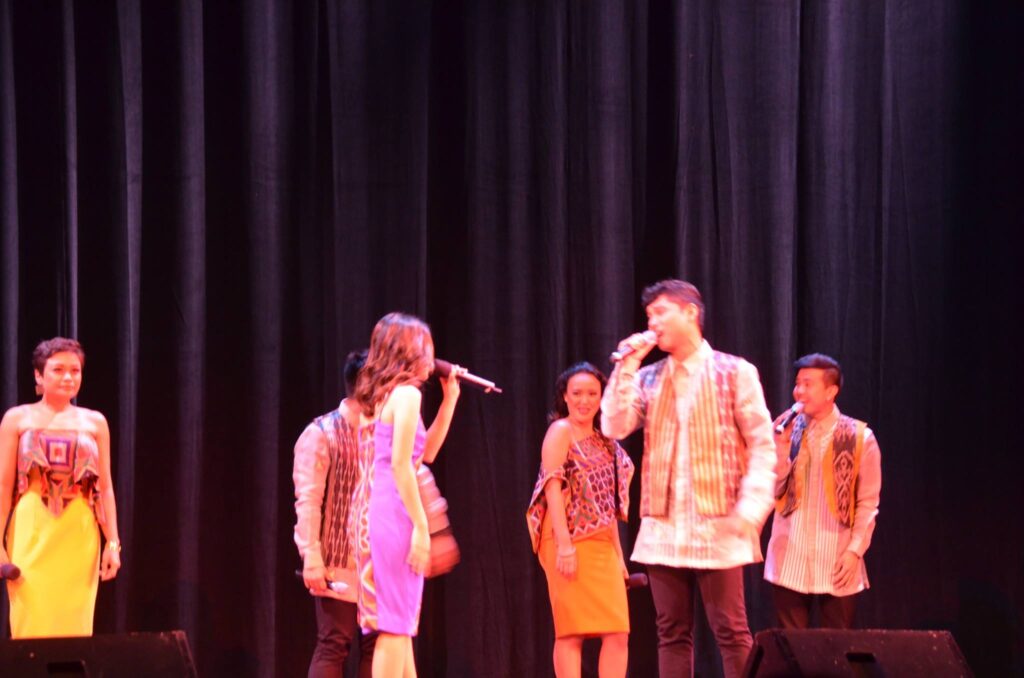
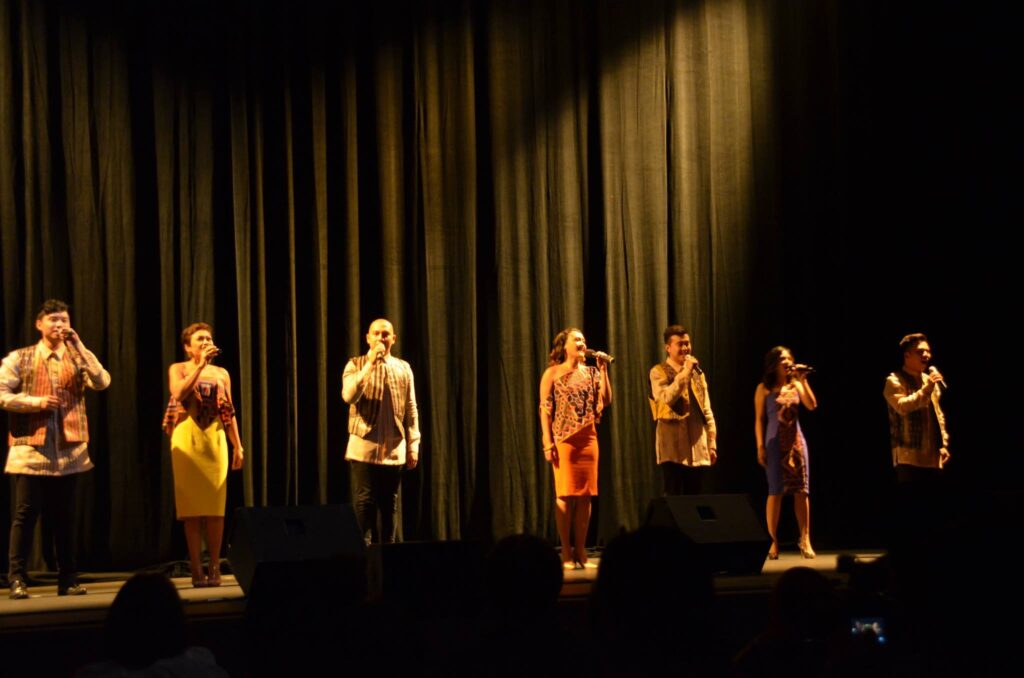
When Geneva Cruz sang “Kailan” (kailan)/Kailan mo ba mapapansin ang aking lihim/Kahit ano’ng aking gawin/di mo pinapansin (When? When will you discover my secret? Whatever I do you are not paying attention),” you could sense that she wants to live up to the highest quality of musicality that the audience has experienced from Maestro Ryan Cayabyab and the Ryan Cayabyab Singers (RCS), those who had performed before her, the likes of Becca Godinez, Annie Nepomuceno and Miguel Vera.
At sound check, as the opening bars of “Kailan” played out, Yong Chavez of ABS-CBN whispered, “Asan si Geneva Cruz (Where is Geneva Cruz)?”
Much like prescience, Cruz — dressed in her long blue gown with a ruffled bordered slit, á la Angelina Jolie — appeared, to the surprise of Maestro Ryan, and sang “Kailan.”
“I was nervous, because Tito Ryan was my mentor. He discovered me when I was twelve,” Cruz told the audience at the Alex Theatre in Glendale, California, after hugging the Maestro twice.
“In both concerts, I saw with the Maestro and the RCS, a defining character of the show is it will make you feel proud you are a Filipino. His [Ryan]’s own narrations made me understood his genius, his compositions helped me appreciate more of the treasure trove we have as a nation and having all these sang, and performed on stage by singers nurtured by him and to achieve this kind of excellence [is] one for the books. Truly, The Maestro. And yes the RCS are awesome. Though I would have loved more the stage, if the digital works were clearer. But then the intensity of the group was outstanding. I told my friend [to] never miss a Ryan Cayabyab and RCS concert for it never fails to set a benchmark of excellence. It was totally pure music, incredible singing prowess, very good repertoire and Geneva Cruz was a so pleasant surprise. Now you know a good show and The Maestro never ceases to amaze. Thank you Annie Nepomuceno! And why I was proud to be a Filipino? It is because Ryan made it so clear that we have our own world in the music universe, unparalleled,” Ed Rame wrote in his Facebook post.
Cruz then sang “Paraiso,” a song written by Maestro Ryan, which won the grand prize at the 1993 Tokyo Music Festival.
“I live in this land called paraiso/ In a house made of cardboard floors and walls/ I learned to be free in paraiso/Free to claim anything I see. Matching rags for my clothes/Plastic bags for the cold/And if empty cans were all I have/ what a joy/ I never fight to take someone else’s coins and live with fear like the rest of the boys/Paraiso, help me make a stand/Paraiso, take me by the hand/Paraiso, make the world understand that if I could see a single bird, what a joy/This tired and hungry land could expect/Some truth and hope and respect/From the rest of the world.”
Her soulful rendition spoke volumes and the audience heard every word she sang, which touched many hearts, to call out bravos.
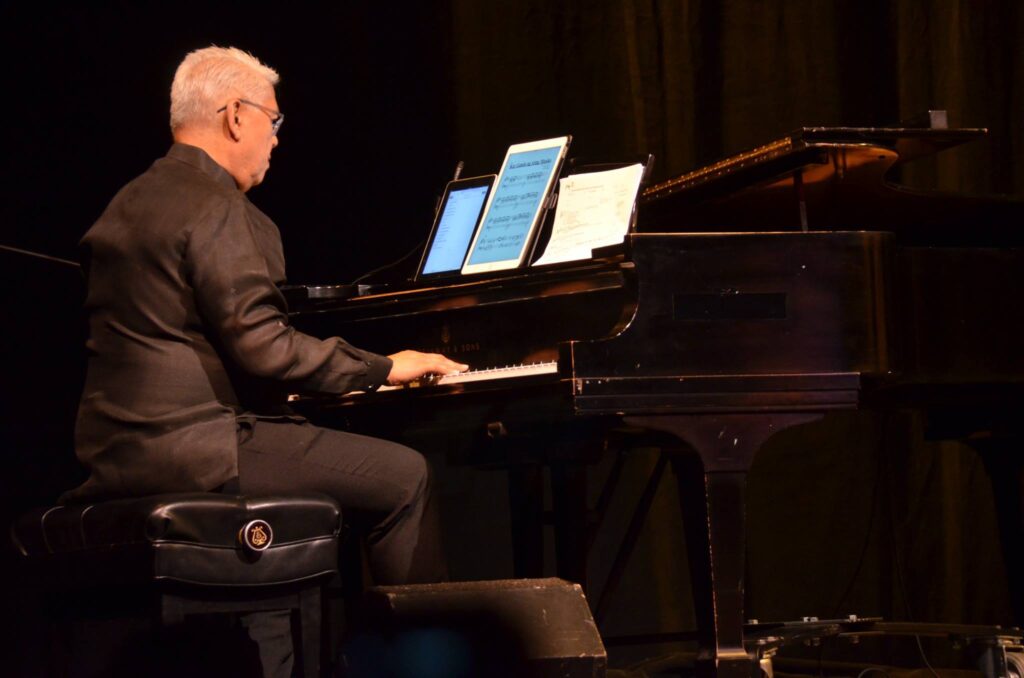
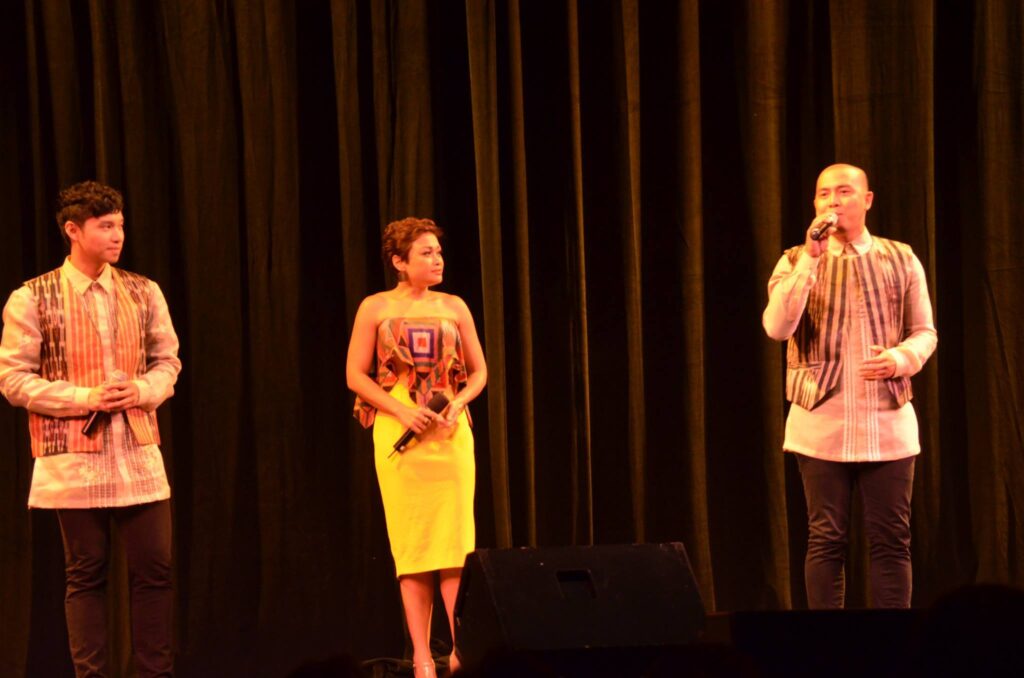
After the concert, Maestro Ryan told this writer that local popular artists’ involvement is what made this concert much better than their last. Indeed, the local artists amazed the audience, as they too, “leveled up their performances,” accompanied by the Maestro on the piano.
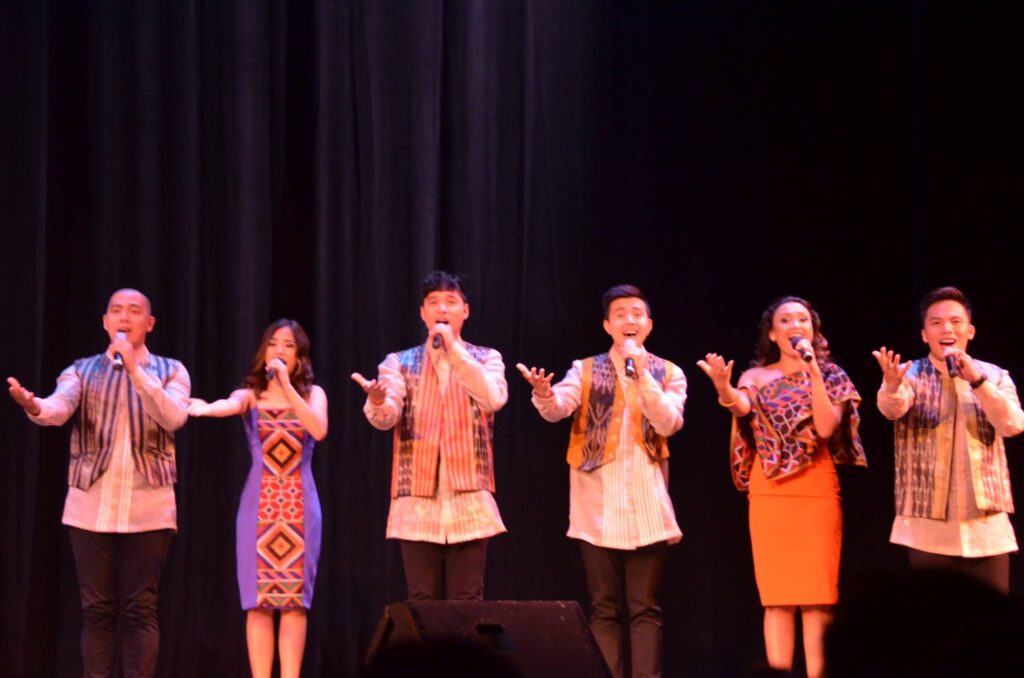
The Harana Men’s Chorus’ rendition of Annie Nepomuceno’s new arrangement of “Sa May Bintana,” an original composition of Maestro Ryan, was an audience hit.
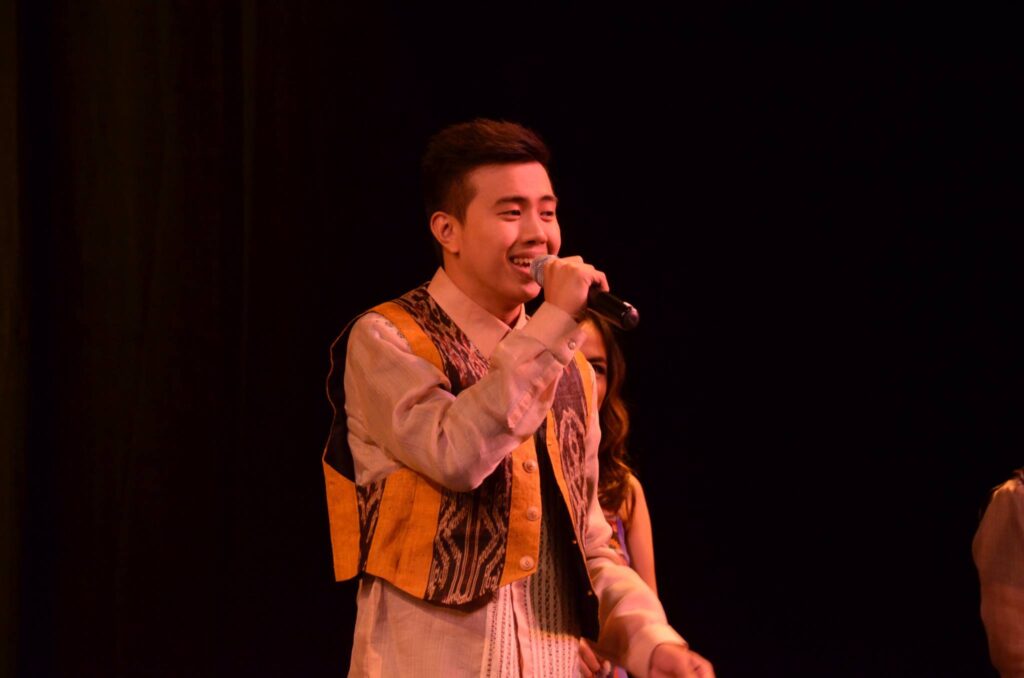
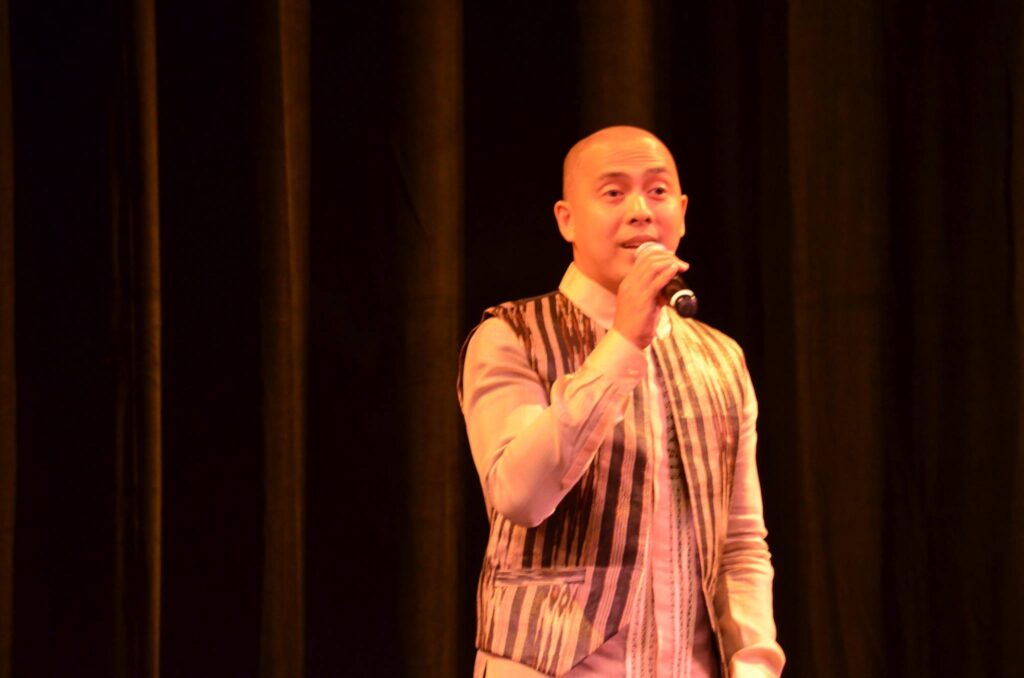
Each holding a microphone, the tenors — Jake Labado, Michael Zuniga, Don Sagarbarria, Kenneth Laurente, Dennis Jardiel and Erwin Andaya — gave their best vocal sounds.
Even more impressive was their rendition of “Ikaw ang Mahal Ko.”
The opening bars quieted the audience which was so focused and hung onto every lyric sung by this group, giving the group a superior performance.
But “Iniibig Kita” made us fall in love again, when these were sung: “Malaman mo lang, Wala ng Iba, Mas Hihigit Pa, Sa Pagibig Ko sa Iyo.”
It was as if they all read what the Maestro told the Asian Journal’s MDWK Magazine in his 2016 interview, “We can’t turn out good musicians unless they have played with the literature of orchestra. They must have played with symphonic works, they study pieces and do solo pieces. They must have had a chance to sit at the end of the orchestra, for immersion.”
No wonder Maestro Ryan introduced them as the premier male choral group in the world and the crowd went wild with applauses and hollers.
First songwriter and her first gold award
But, truly, another gem that evening was Becca Godinez. She recalled how Ryan appeared on “Happiness Is,” her first television show at the age of 12.
She then composed a song in English, Sam, which her producer said would be a hit, if translated in Tagalog. George Canseco translated it and “Bakit ba ganyan ang pag-ibig? (Why is Love that Way?) became her first hit song, as predicted, and she bagged her first gold award.
Godinez was the pioneering female songwriter and composer of pop music in the Philippines, preceding Odette Quesada, who was in the audience that night.
Just like the multi-awarded Godinez, Maestro Ryan got an Awit Award for the Best Novelty Recording of his original, “Da Coconut Nut.”
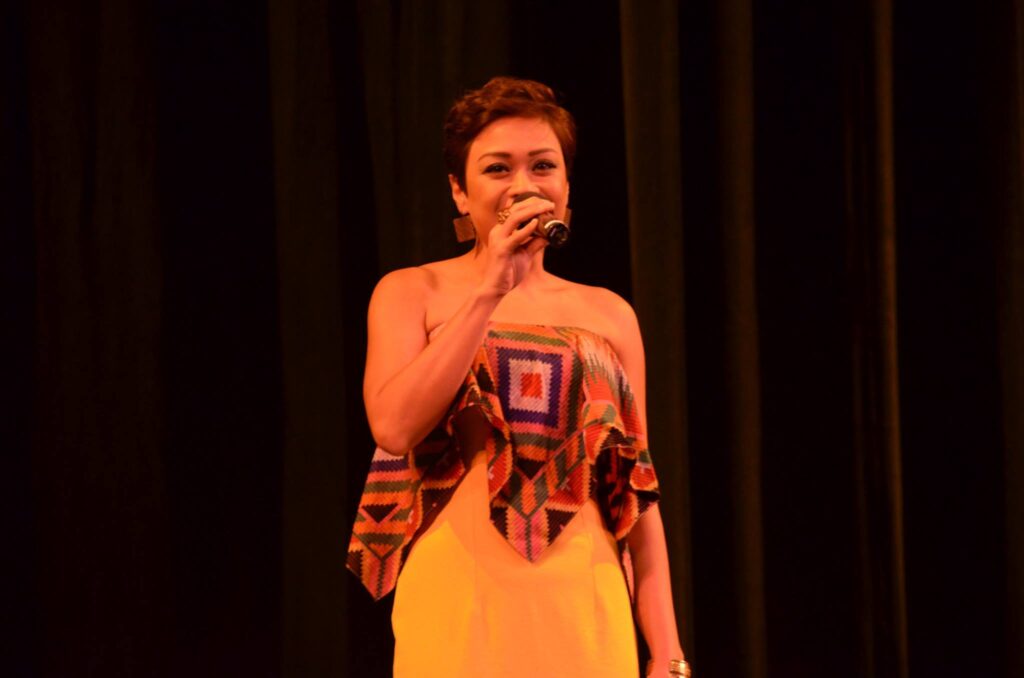
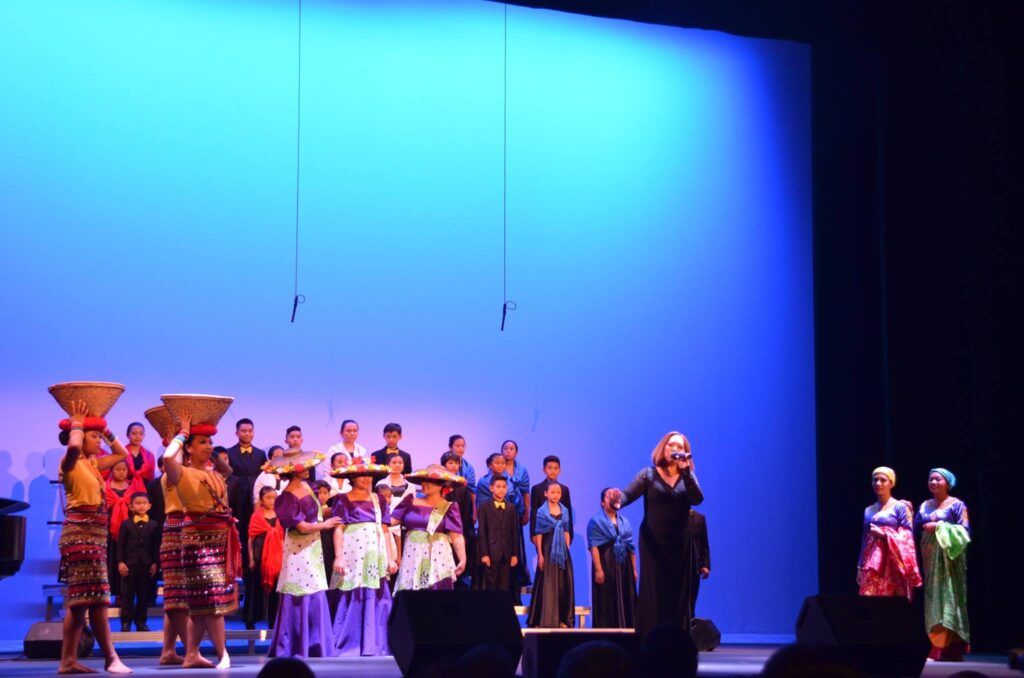
Giselle Tongi-Walters — also known as G — dressed in a luminous yellow dress, sang “Da Coconut Nut,” with a troop of children from the Kayamanan ng Lahi Philippine Folk Arts, wearing bright colors of kimona. Right beside her was her daughter, Sakura, who sang and danced. She seemed to be as comfortable onstage as her mom.
Much to the audience’s delight, G sang quite well with lightness and joyful energies, as the children accompanied her while dancing.
G posted on her Instagram, “We are all the colors of the rainbow, performing with children of KNLfolkarts and Sakura on stage was so much fun! I love my knlfolkarts family sooooooo much!”
As much as she enjoyed herself, the audience mirrored that joy as well.
El Filibusterismo, Ramahari, Spoliarium excerpts
All three were musicals written by Maestro Ryan, 11 in total.
El Filibusterismo’s song, “Awit ni Isagani” was sung by Miguel Vera. It was a beautiful, heartfelt rendition evoking such tenderness, with a visual collage of Eliseo Art Silva’s commissioned painting for the Rizal Day celebrations in Philadelphia. It features Inang Bayan hovering above the birthplace of Rizal in Silva’s hometown of Calamba, Laguna. On the right of Rizal’s portrait are the main characters of his novel “Noli Me Tangere”: Maria Clara with Crisostomo Ibarra.
Had the projector fully illuminated these digital images, it would have had a more visual impact.
Annie Nepomuceno sang “Iduyan mo,” a tribute to Basil Valdez, as if swinging the hammock, back and forth, and with such slowing down and pacing of her lyrics.
“Iduyan mo ang duyan ko/unti-unti itulak mo. It did the trick for the audience. The “Rama Hari” song, “Magbalik Ka Na, Mahal,” was a hit as well.
The audience’s favorites
A retrospective journey to the 1950s, skip 60’s, to the 70’s, skip ‘80s, to the ‘90s created a stir. At some point, they were humming and joining in vocalizing the lyrics.
The Ryan Cayabyab Singers (RCS) could not have been better. The “Galawgaw” song created a tease, but when “Waray Waray” was sung and danced to as well, the audience was primed for the picking.
Then the sounds of “No money, no honey” accompanied by adept tap dancing wowed the crowds.
And of course, the song, “O Ang Babae, pag iyong ini wan, hahabol-habol (Oh, a woman, when you leave her, she chases after),” and “Rock Baby Rock,” complete with twirls delighted the audience so much.
By the time it was the tribute to Francis Magalona, RCS sang: “Mga kababayan ko, kaya mo, kaya ko, kaya natin,” our hearts and souls were ripe for picking.
Then, the clincher songs “Sirena”, and “Sabihin Mo Ikaw ay Pilipino” resonated.
During these two songs, no one was talking in the audience, no one was moving, and everyone was hooked to the lyrics of “Sirena,” a rap song composed by Glock-9, about a gay son who lived with a hostile, harsh father. He is talking about his struggles, his sufferings and how all the siblings had left home.
When the father was on his deathbed, he summoned his gay son to apologize for treating him so badly and said, “You gays are more men than men.” It touched us and made some folks cry.
Since that weekend was about LGBT pride, the song was quite relevant those sectors of the audience, some of whom were quite vocal in expressing their appreciation for Maestro Ryan and the RCS.
When the cast sang their final song, “Sabihin Mo Ikaw ay Pilipino,” you would think folks would be tired, as it was close to three hours by then, yet most stayed until the finale.
These lyrics resonated with this writer, as much with the audience as it spoke to our collective truth: “Sabihin mo ikaw ay pilipino Kahit saang bansa ikaw ay mag punta Sabihin mo ikaw ay Pilipino Pilipino ka, yan ang totoo (Tell them you are Pilipino/Whatever nation you go/Tell them you are Pilipino/That is the truth).”
Asuncion Ferrer, a retiree, had this to say, “It was good to know that [Ryan’s] students [Annie Nepomuceno, Ed Nepomuceno] are now the ones teaching musicality to the new generation of musicians. Ryan is a genius of our lifetime and contributed much to the OPM (Original Pilipino Music) we are now enjoying. Sana ibalik ang “Musikahan” to introduce our next generation to Filipino music.”
Next generation of musicians
“Ryan Ryan Musikahan” was Maestro Ryan’s television show for years. It garnered 14 awards from various award-giving bodies, such as Best Television Musical Show and Best Show Host for him.
As Ryan narrated, the LA version of Smokey Mountain has been discovered: Edsel Sotiangco, Michael Keith, Louisa Tampi and Josie Gonzalez. Sotiangco had his modern style of singing “Street People,” backed by a Kulintang ensemble, while Gonzalez so tenderly sang “Can this be love I am feeling right now?”
Tampi sang with such a hopeful, sensual style that it was so credible to hear the lyrics from her: “Together we will find a hideaway/where we can stay from day to day.”
Michael Keith confided how nervous he was and that he was shaking coming onstage, yet, did not reveal those while he competently sang “Mama” and these lyrics: “Mom you were gone since I was five” got seared in our hearts, as any listener would. He sang with such abandonment that the crowd just quieted down on their own especially when he sang the list of jobs that distant moms do: governess, nurse and more.
Bravo to these next generation singers who are strong academically but also, in musicality, ranging in age from 12 to 19 years old.
Now, we all have been shown the light by Maestro Ryan and to the next generation of students, it is up to you to spread your wings and be the light, using your musicality!
Annie Nepomuceno, you produced with superior results, the venue had the best sound projection and acoustics. Not only did you excel as a producer, arranger, you did it too as a singer and inspirer-in-action!
What a seamless, impeccable show! This recent concert was phenomenal and if you were there, you would have witnessed history — our history — of quality, collective expressions of musicality, performance arts and mentoring. This writer is, in fact, coming back to see another show in San Diego just to relive these beautiful, joyful moments!
Ryan Cayabyab is more than a musical genius. He elevates other singers, younger generations to exceed his musicality. This is the best of our Filipino-Americans in the U.S., mentoring one another to perform at their soaring level best.
Related article: The most memorable night at Musikahan! with Maestro Ryan
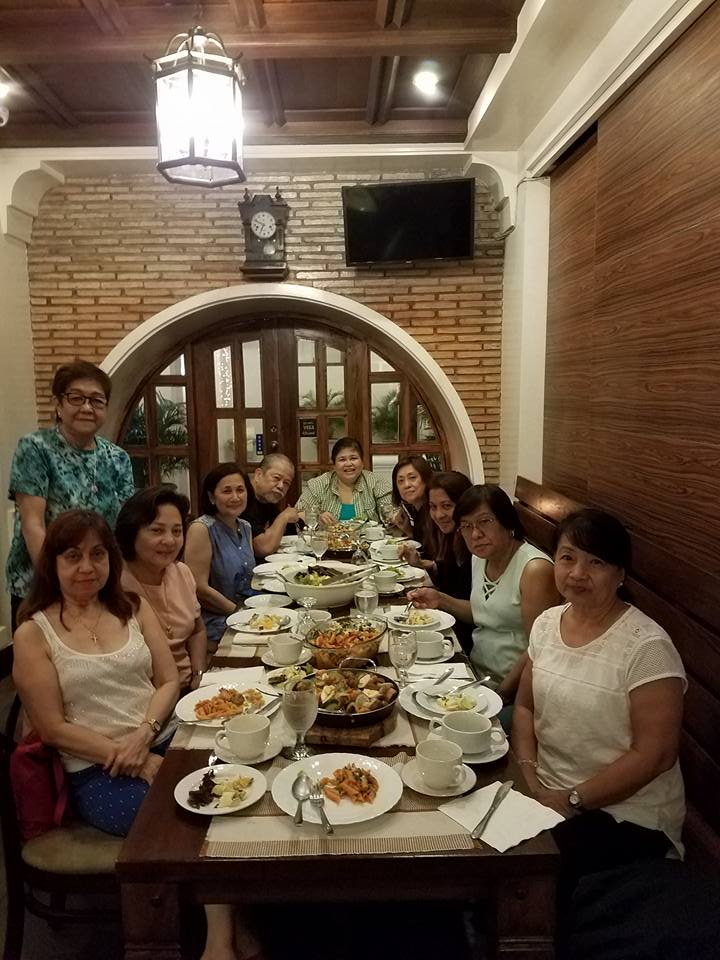
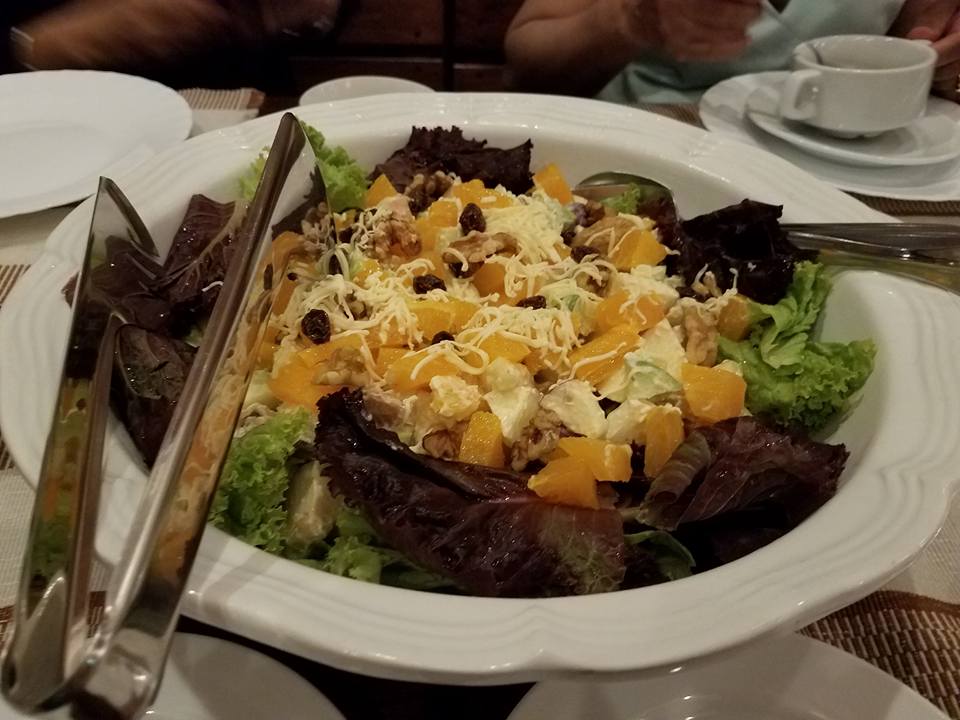
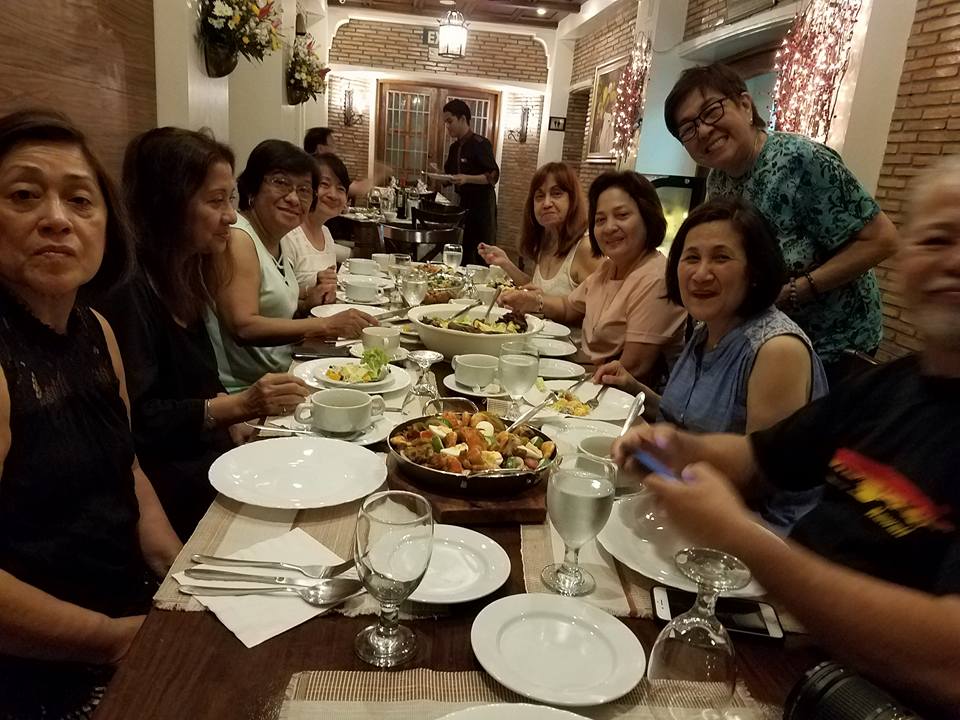
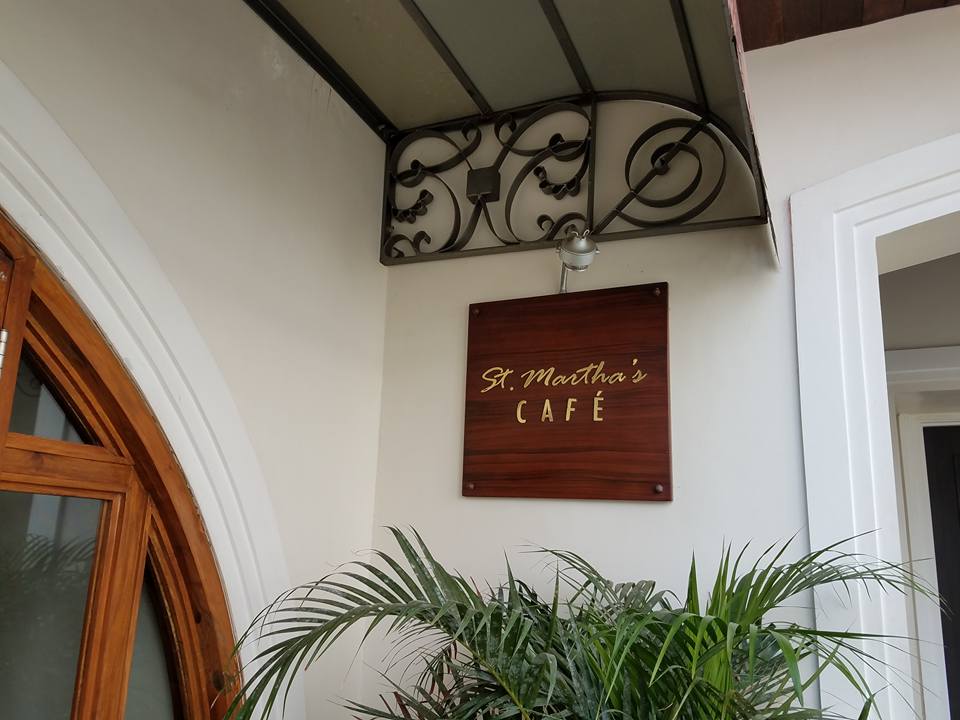
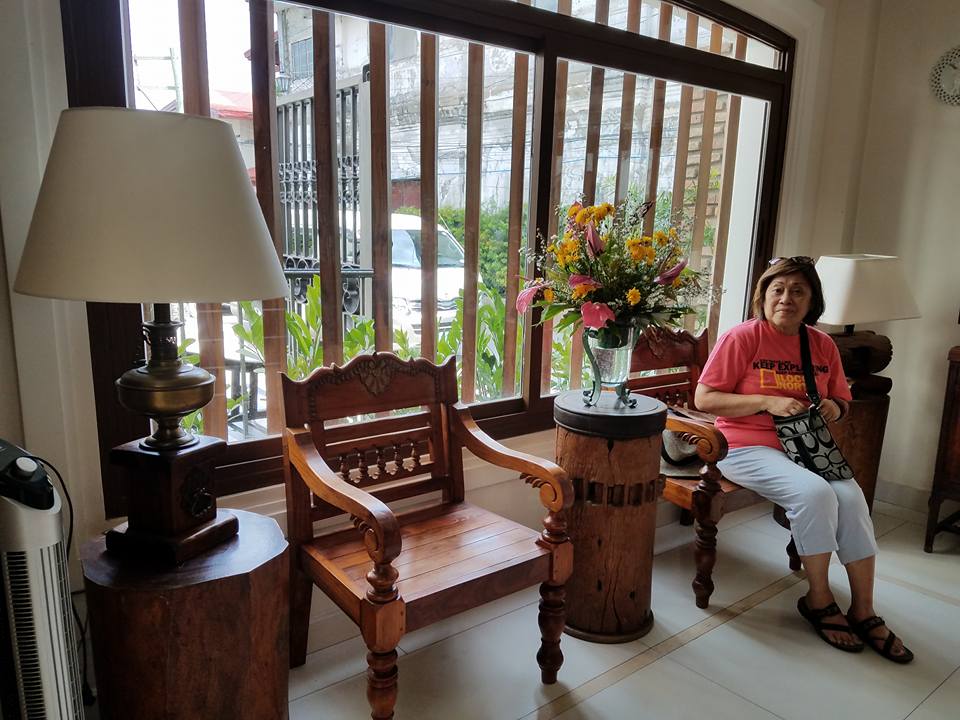
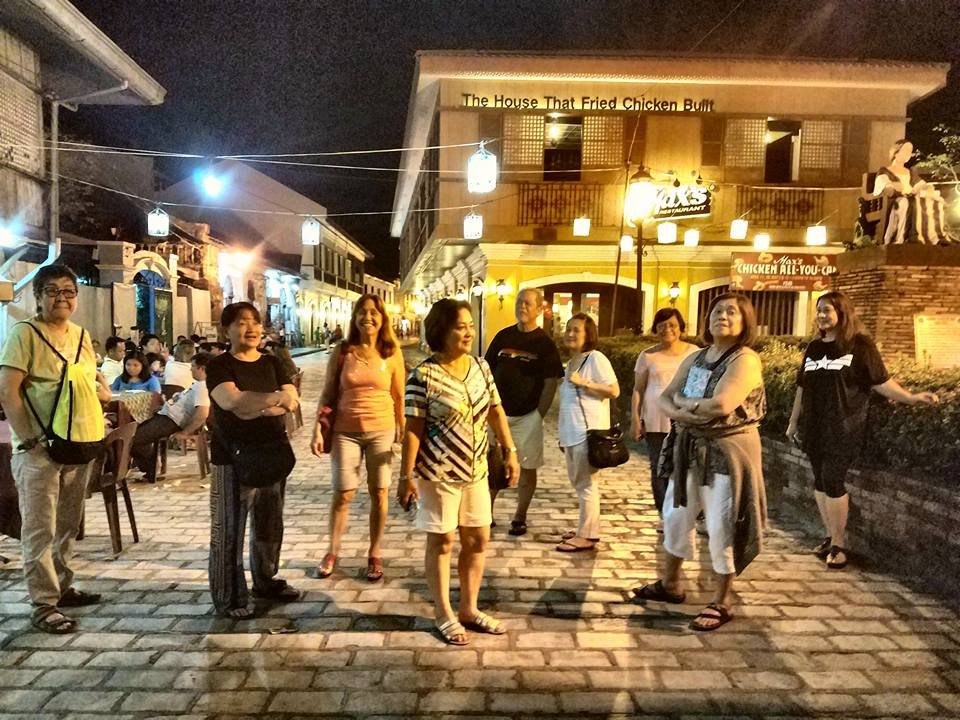
This 18th century old world charm prides on quiet elegance. Every nook and cranny lives up to its claim. Its tastefully prepared food is abundant and stays true to what the place is known for.
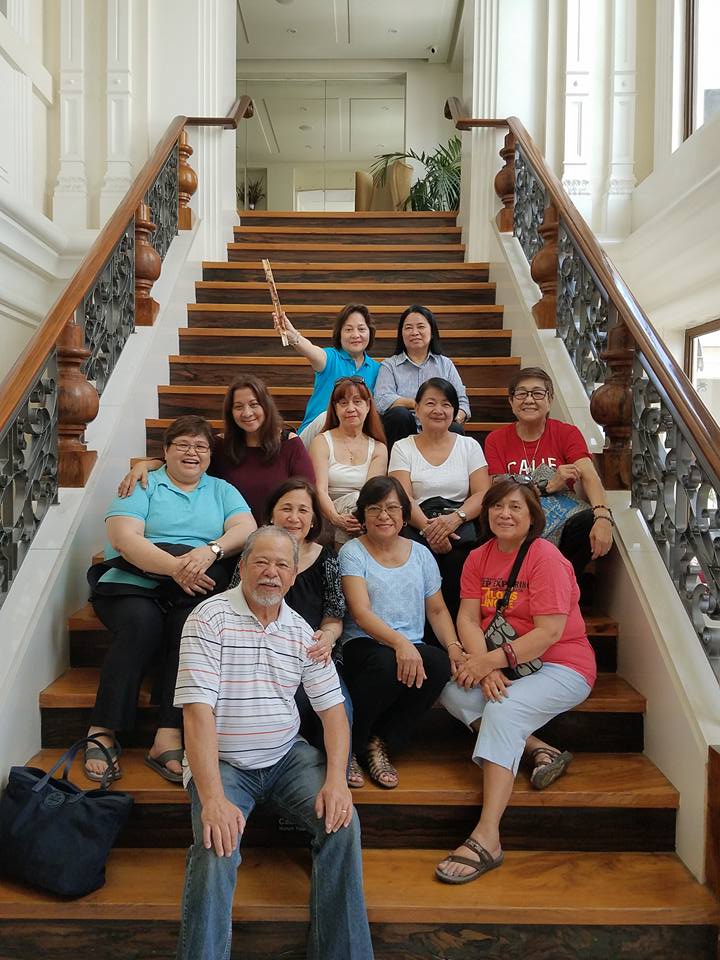
The hotel works because it has a sense of place and stays true to its heritage. It derives its name from the original name of this province, before it became Vigan. Operated with a top drawer, high level of quality, it is really a 5 star place because of thoughtful customer service and an experience that exceeds expectations. It was worth the plane trip and another roadtrip to reach it.
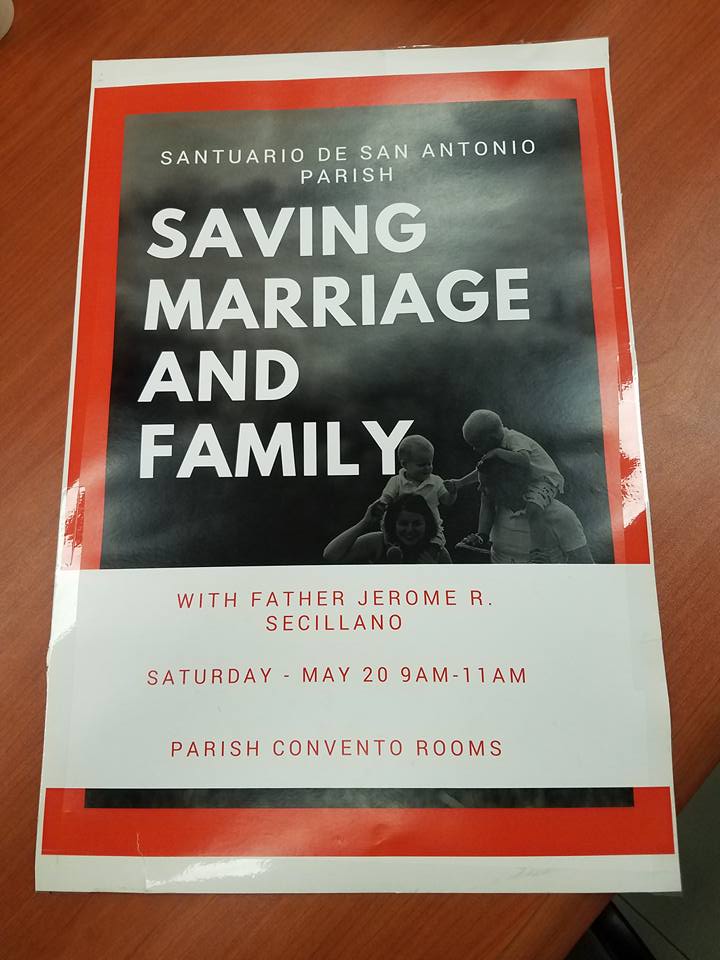
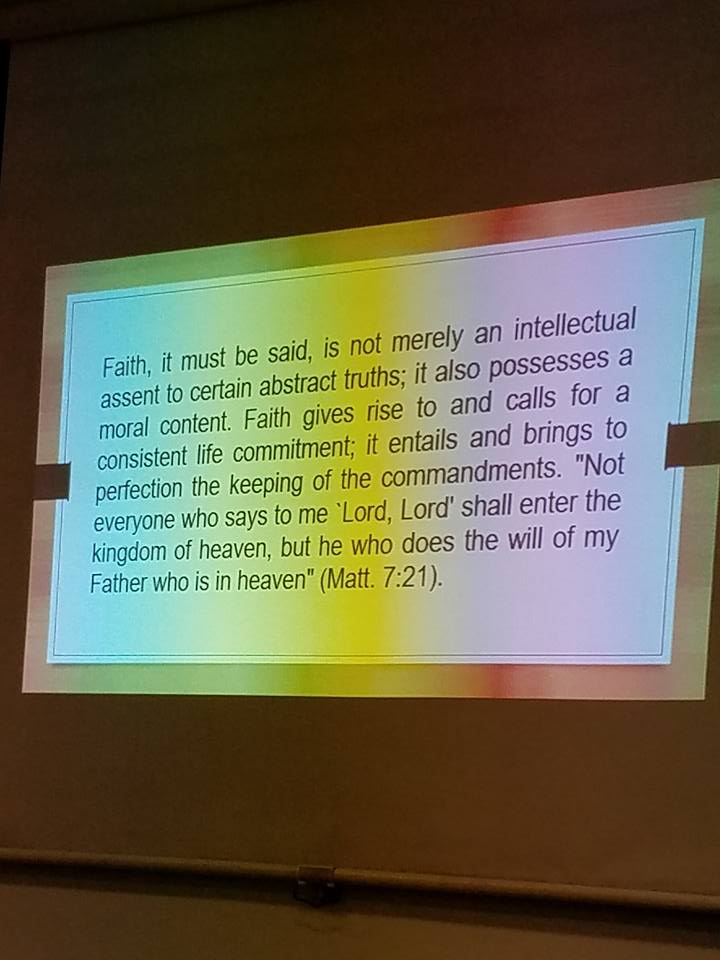
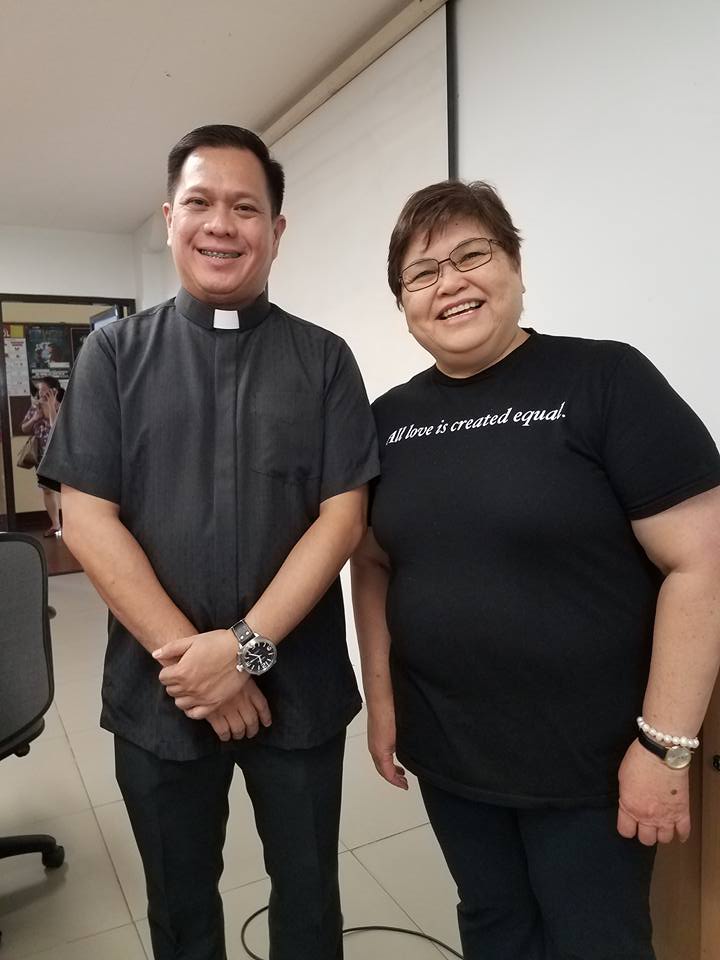
This is my spiritual gift. Would you believe this priest, Fr. Jerome Secillano led a seminar on Saving Marriage and Family?
After, he opened it up to questions and answers. He gave thoughtful answers, and did not dodge the probing questions.
We all showed a deep and profound respect for our viewpoints, conducted our civil discourse without debating, just a wonderful, respectful exchange around our Catholic beliefs.
I learned from his seminar that God’s love matters, our love for one another, and that our marriages and family must be renewed with great mutuality, of our mutual sacrifices for one another, exercising our freedoms rooted in conscience, law, based in objective facts. The ends of marriage are about the procreation and well-being of children and the well-being of the spouses.
One elderly woman exclaimed she will marry again, we laughed.
I of course raised questions, so did others and in the end, it was the respect shown to one another that allowed us to understand more, about the others’ perspectives! More will be written in my column.
Thank you Ester Tagud for provoking my curiosity and including me.
The net result for me, a spirited exchange and a new understanding without condemning others with diverse perspectives, when our hearts are inflamed by the power of the Holy Spirit!